
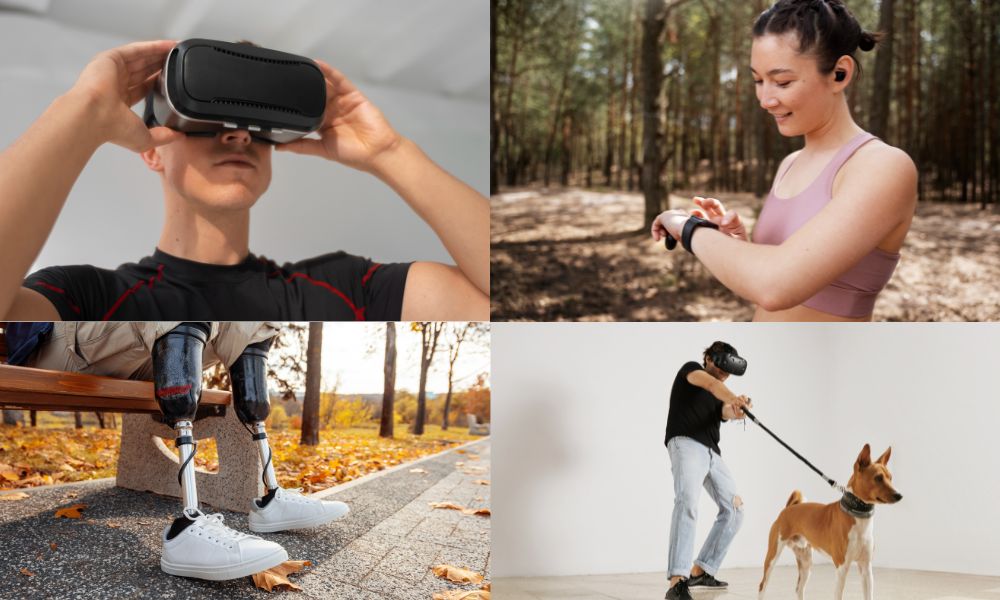
There’s a decent chance you or someone in your household is wearing some kind of health tracker right now. Whether it’s an Oura Ring, a Whoop band, an Apple Watch, or a continuous glucose monitor, these devices have quietly become part of daily life for millions of people. But the bigger question is whether all this data is actually translating into better health outcomes, or if it’s just turning into another thing to obsess over.
From Step Counters to Full-On Health Dashboards
It’s wild to think about how far these devices have come. Not too long ago, a fitness tracker basically told you how many steps you’d taken and maybe estimated calories burned. Now, the same wrist-worn (or finger-worn) devices are tracking heart rate variability, sleep stages, body temperature trends, blood oxygen levels, and in some cases, even stress and recovery scores.
Health trend reporting from <a href=”https://meetglimpse.com/trends/health-wellness-trends/” target=”_blank” rel=”noopener”>Glimpse</a> has highlighted how sleep optimization in particular has shifted from being an afterthought to a central focus, with people now actively tracking and comparing recovery metrics the way they used to brag about how little sleep they got.
The AI Layer Changes Things
What’s really shifted the conversation recently is the integration of AI into these devices. Instead of just showing you raw numbers, many platforms now interpret the data and offer personalized suggestions, things like recommending an earlier bedtime based on your recovery trends, or adjusting workout intensity based on how well you slept.
According to coverage from <a href=”https://health.usnews.com/wellness/articles/top-health-and-nutrition-trends-for-2026″ target=”_blank” rel=”noopener”>U.S. News</a>, this integration of AI with wearable technology for dietary tracking and coaching was rated as one of the top health trends for 2026 by a panel of nutrition and health experts, tied for second place in their survey.
Continuous Glucose Monitors: Not Just for Diabetics Anymore
One of the more interesting shifts has been the growing use of continuous glucose monitors (CGMs) by people who don’t have diabetes at all. These small sensors, typically worn on the arm, track blood sugar levels in real time and can show how different foods, activities, and even stress levels affect glucose responses.
For people focused on weight management or metabolic health, this kind of feedback can be genuinely eye-opening. Discovering that a “healthy” smoothie spikes your blood sugar more than a piece of toast with peanut butter, for example, can shift how you think about food choices in a very concrete way.
Where It Can Go Wrong
For all the benefits, there’s a flip side worth acknowledging. Some health professionals have raised concerns about:
- Data anxiety — becoming overly focused on scores and numbers, to the point where a “bad” sleep score creates stress that itself disrupts sleep
- Over-reliance on devices — trusting a wearable’s estimate over how your body actually feels
- Accuracy limitations — especially with things like calorie burn estimates, which can vary significantly from device to device and aren’t always reliable
- One-size-fits-all recommendations — AI suggestions that don’t account for individual medical history or context
Experts surveyed by U.S. News specifically noted that while AI integration with wearables is promising, understanding all the additional information generated really does require working alongside a healthcare provider to interpret it properly and turn it into meaningful action.
How to Use Wearables Without Letting Them Use You
If you’re considering getting one of these devices, or already have one collecting dust in a drawer, here are a few ways to get more value out of it:
- Focus on trends, not daily numbers. A single bad sleep score means a lot less than a pattern over two or three weeks.
- Use it to ask better questions, not as a final verdict. If your recovery score is consistently low, that’s a cue to look at sleep habits, stress, or alcohol intake, not necessarily a reason to panic.
- Don’t let it replace how you feel. If you feel great but your watch says otherwise (or vice versa), trust your body too.
- Share the data with your doctor if relevant. Especially for things like heart rate irregularities or sleep apnea indicators, this data can be genuinely useful in a clinical conversation.
The Bigger Picture
Wearables and AI health coaching aren’t going anywhere, and honestly, the technology is only going to get more sophisticated from here. The real value isn’t in the gadget itself, but in how it’s used. Used thoughtfully, alongside professional medical advice when needed, these tools can help you understand your own body better than ever before. Used obsessively, they can just become one more source of stress in an already stressful world.
This article is intended for general informational purposes and is not a substitute for medical advice from a licensed healthcare provider.
