
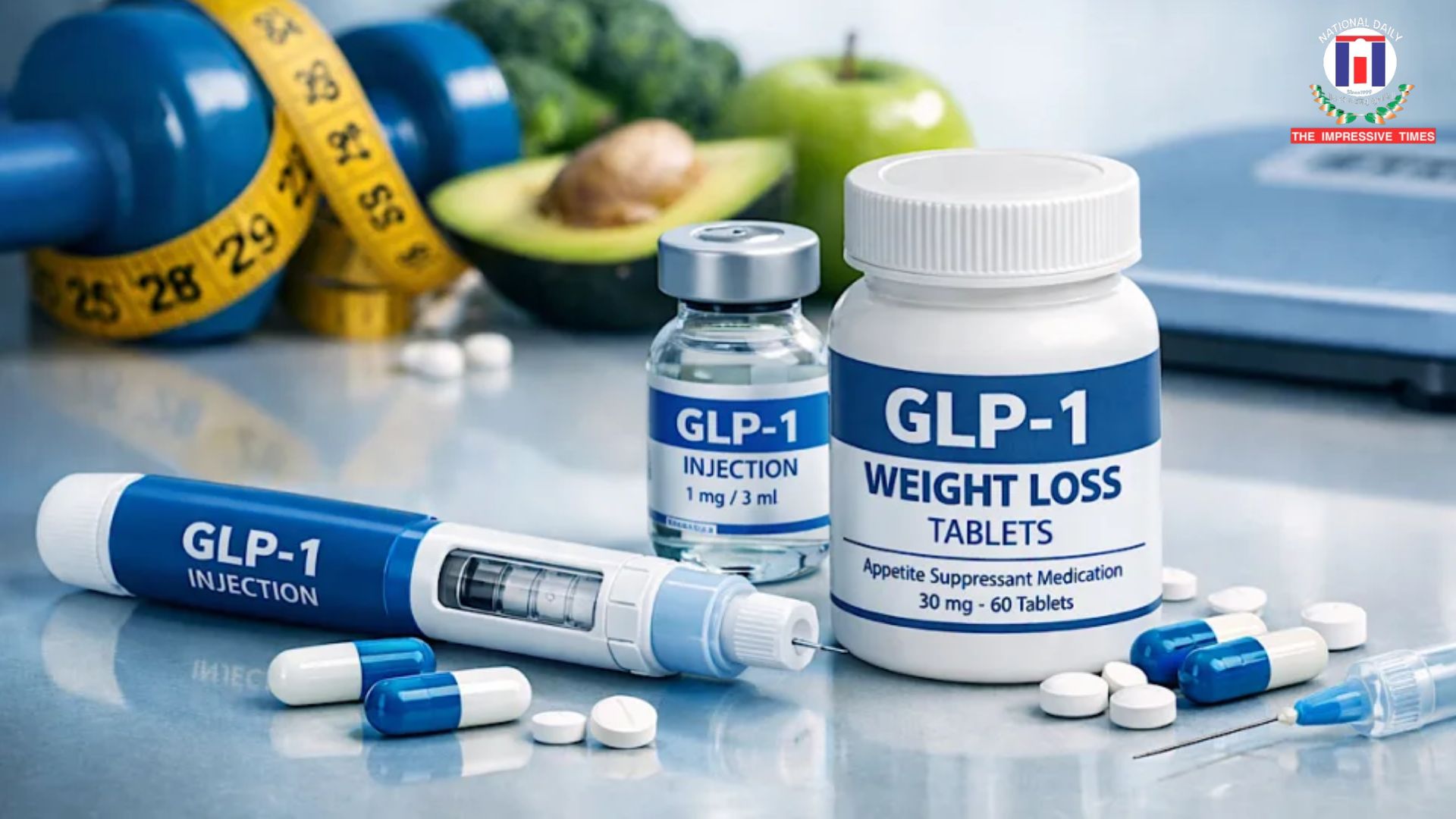
If you’ve scrolled through social media in the last year, chances are you’ve seen someone talking about Ozempic, Wegovy, or Mounjaro. What started as diabetes treatments have turned into some of the most talked-about medications in modern healthcare, and honestly, the hype isn’t entirely unfounded.
So What Are GLP-1 Drugs, Really?
GLP-1 stands for glucagon-like peptide-1, which is a hormone your gut naturally produces after eating. These medications mimic that hormone, which slows down digestion, reduces appetite, and helps regulate blood sugar. That’s the short version, anyway.
Originally, drugs like semaglutide were developed for people with type 2 diabetes. But doctors quickly noticed something interesting: patients were losing significant amounts of weight as a side effect. That observation eventually led to FDA approval for weight management under brand names like Wegovy.
According to a recent analysis from <a href=”https://health.usnews.com/wellness/articles/top-health-and-nutrition-trends-for-2026″ target=”_blank” rel=”noopener”>U.S. News & World Report</a>, the conversation around these medications has expanded well beyond just weight loss. Experts surveyed for their 2026 health trends report noted that GLP-1 use is now branching into areas like heart health, kidney disease, and even arthritis management.
How Much Weight Can You Actually Lose?
This is probably the question on everyone’s mind. The numbers vary depending on the specific drug and dosage, but clinical trials have generally shown reductions in body weight that rival what’s typically seen with bariatric surgery. Some newer formulations, including oral versions, have shown average weight loss figures in the double digits compared to single-digit losses with placebo.
It’s worth noting, though, that these results came from controlled clinical settings with regular medical supervision. Real-world results can look different depending on diet, activity levels, and how consistently someone takes the medication.
The Side Effects Nobody Talks About Enough
Nausea is probably the most common complaint, especially when starting out or increasing the dose. Some people also report:
- Constipation or diarrhea
- Fatigue
- Loss of muscle mass alongside fat loss
- Gallbladder issues in some cases
That last point about muscle loss is something doctors have started flagging more often. When you lose weight quickly, especially through appetite suppression rather than exercise, a portion of that weight loss can come from lean muscle tissue. This is why many healthcare providers now recommend pairing GLP-1 treatment with resistance training and adequate protein intake.
Who Should Probably Avoid These Medications?
These drugs aren’t for everyone, and that’s putting it mildly. People with a personal or family history of certain thyroid cancers are generally advised against GLP-1 use. Pregnant individuals, those with a history of pancreatitis, and people with severe gastrointestinal disease should also have a serious conversation with their doctor before starting.
There’s also the cost factor. Without insurance coverage, monthly costs can run into the hundreds of dollars, which has led to a rise in compounded versions from less regulated sources — something the FDA has repeatedly warned against.
Is This a Long-Term Solution?
Here’s the uncomfortable truth: most research suggests that when people stop taking GLP-1 medications, a significant portion of the weight tends to come back. This has led some experts to compare these drugs to long-term treatments for chronic conditions like high blood pressure, something you may need to stay on indefinitely rather than a short course of treatment.
That said, for people who’ve struggled with obesity for years and tried multiple approaches without success, having an effective medical tool can be life-changing, both physically and mentally.
The Bottom Line
GLP-1 medications represent a genuine shift in how obesity and related conditions are treated, but they’re not magic, and they’re definitely not without risk. If you’re considering one of these medications, talk to your doctor about your full medical history, realistic expectations, and what a sustainable long-term plan might look like, whether that includes continuing medication or eventually transitioning off it with lifestyle support in place.
This article is for informational purposes only and is not a substitute for professional medical advice. Always consult a qualified healthcare provider before starting or stopping any medication.
