

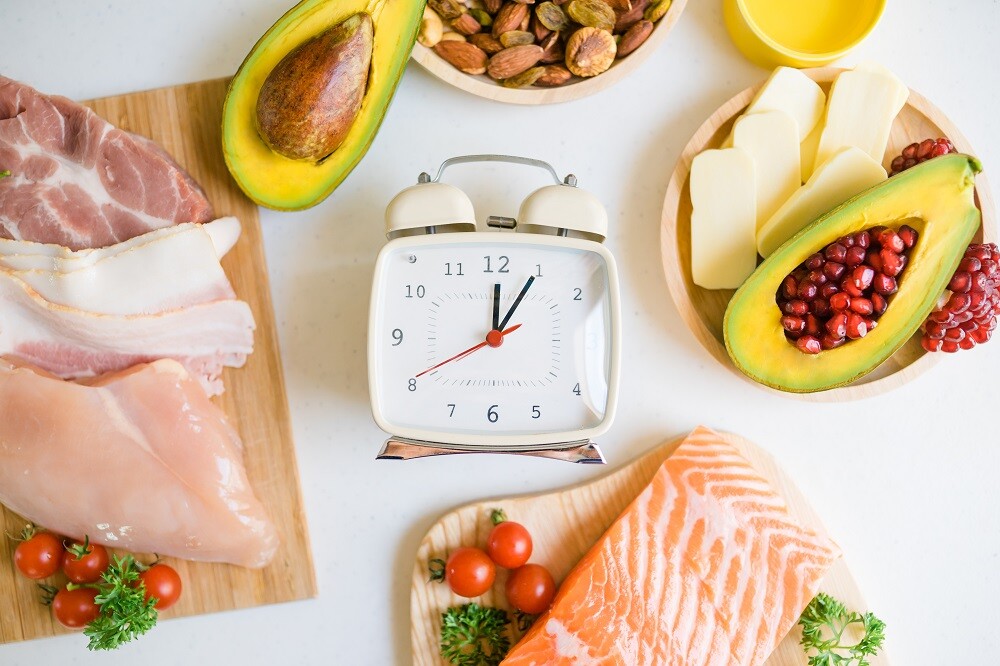
A few years ago, intermittent fasting felt like it was everywhere — every fitness influencer, every “what I eat in a day” video, every health podcast seemed to be talking about the 16:8 method or extended fasts. The hype has cooled a bit since then, but the question remains: is intermittent fasting actually worth doing, or did it just have its moment and move on?
Quick Refresher: What Intermittent Fasting Actually Means
At its core, intermittent fasting (often shortened to IF) isn’t about what you eat, but when. The most common approaches include:
- 16:8 — eating within an 8-hour window and fasting for 16 hours
- 5:2 — eating normally five days a week and significantly reducing calories on two non-consecutive days
- Alternate-day fasting — alternating between regular eating days and very low-calorie days
- 24-hour fasts — done occasionally, sometimes once or twice a week
The appeal is pretty simple. For a lot of people, restricting the eating window naturally leads to eating less overall, without having to count every calorie.
What the Research Actually Shows
Here’s where things get nuanced. Multiple studies have found that intermittent fasting can be effective for weight loss, but largely because it tends to reduce overall calorie intake, not because of some special metabolic magic that only happens during fasting hours.
That doesn’t mean there’s nothing else going on. Some research points to potential benefits for insulin sensitivity and markers of inflammation, independent of weight loss itself. But the size of these effects, and how much they matter for the average person, is still being studied.
Who Tends to Do Well With It
In practice, intermittent fasting seems to work best for people who:
- Don’t typically eat breakfast anyway and don’t miss it
- Find structured eating windows easier to stick to than constant calorie counting
- Don’t have a history of disordered eating
- Have a relatively flexible daily schedule
On the flip side, people with demanding physical jobs, certain medical conditions like diabetes (especially if on insulin or other medications that affect blood sugar), or a history of eating disorders should approach fasting with caution, ideally under medical guidance.
The Muscle Question
One concern that comes up often is whether fasting leads to muscle loss. The honest answer is: it depends. If you’re in a calorie deficit (which most fasting protocols create) and not getting enough protein or doing any resistance exercise, yes, you’re more likely to lose muscle along with fat.
But this isn’t unique to fasting — it’s true of basically any weight loss approach. The fix is the same regardless of when you eat: prioritize protein, keep lifting or doing some form of resistance training, and avoid making the calorie deficit too extreme.
How It Fits Into the Bigger Picture
What’s interesting is that intermittent fasting hasn’t disappeared from the conversation, it’s just been absorbed into a broader trend toward what’s sometimes called “Food as Medicine.” Recent expert surveys highlighted by <a href=”https://www.nutritioninsight.com/news/health-nutrition-trends-2026-us-news-glp1.html” target=”_blank” rel=”noopener”>Nutrition Insight</a> point to growing interest in nutrition strategies, including timing-based approaches, that focus on whole foods, reduced added sugar, and overall metabolic health rather than fasting as a standalone “hack.”
Common Mistakes People Make
If you’re trying intermittent fasting and not seeing results (or feeling worse), a few things might be going on:
- Overcompensating during eating windows — eating so much during the “feeding” period that it cancels out any calorie deficit
- Not drinking enough water — dehydration during fasting periods can cause headaches and fatigue that get mistaken for hunger
- Going too hard too fast — jumping straight into a 20+ hour fast without easing into it
- Ignoring sleep — fasting too close to bedtime can disrupt sleep for some people
Should You Try It?
Intermittent fasting isn’t a miracle, but it’s also not nonsense. For some people, it’s a genuinely useful tool that simplifies eating habits and supports a calorie deficit without feeling restrictive. For others, it adds unnecessary stress or doesn’t fit their lifestyle at all. Like most things in nutrition, the “best” approach is usually the one you can actually stick with consistently, whether that involves fasting or not.
This article is for general informational purposes only. If you have a medical condition or take medications, talk to your doctor before changing your eating patterns.
