

If you’ve noticed gut health popping up everywhere lately, in supplement ads, on food labels, in casual conversations about probiotics, you’re not imagining it. The gut microbiome has gone from a niche topic mostly discussed by gastroenterologists to something that’s become genuinely mainstream, and for good reason.
What Exactly Is the Gut Microbiome?
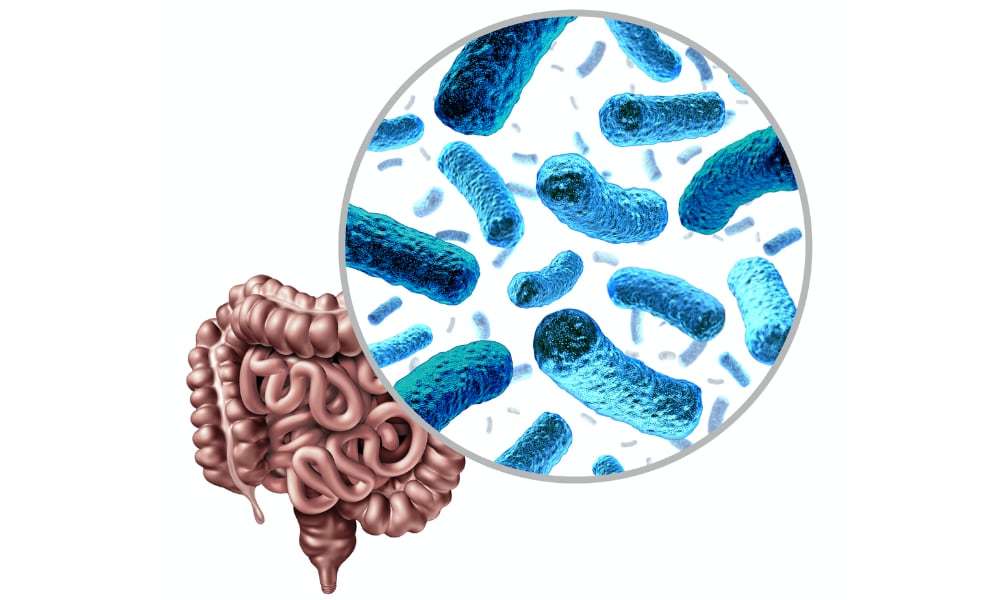
Your digestive tract is home to trillions of microorganisms, bacteria, viruses, fungi, and more, collectively known as the gut microbiome. This isn’t a sign of something being wrong; it’s completely normal and, in fact, essential. These microorganisms help break down food, produce certain vitamins, support your immune system, and communicate with your brain in ways researchers are still working to fully understand.
According to information from <a href=”https://mcpress.mayoclinic.org/product/mayo-clinic-guide-to-gut-health/” target=”_blank” rel=”noopener”>Mayo Clinic Press</a>, the gut is sometimes referred to as the body’s “second brain” because, beyond digestion, it plays a significant role in immunity, brain function, metabolism, and even skin health.
Why Everyone Is Suddenly Paying Attention
A few things have converged to bring gut health into the spotlight. First, research linking gut bacteria to conditions well beyond digestion, including mental health, immune function, and metabolic conditions, has expanded significantly. Second, the rise of “Food as Medicine” as a broader health movement has put gut-friendly foods front and center in nutrition conversations.
Trend analysis from <a href=”https://meetglimpse.com/trends/health-wellness-trends/” target=”_blank” rel=”noopener”>Glimpse</a> has identified gut health as one of the fastest-growing topics within the broader nutrition and wellness space, often discussed alongside related trends like high-protein diets, low-FODMAP approaches, and personalized nutrition.
Common Digestive Issues (You’re Not Alone)
It’s easy to feel like digestive problems are embarrassing or unusual to talk about, but they’re incredibly common. Conditions that fall under the umbrella of digestive health include irritable bowel syndrome (IBS), acid reflux (GERD), bloating, constipation, diarrhea, food intolerances, and more serious conditions like Crohn’s disease and ulcerative colitis.
Millions of people deal with some form of digestive discomfort regularly, and everyday factors like eating habits, physical activity levels, stress, and certain medications can all play a role in how your gut feels day to day.
What Actually Supports Gut Health?
There’s no shortage of products claiming to “fix” your gut, but the foundational science tends to come back to a few consistent themes:
Fiber Diversity
Different types of fiber feed different types of gut bacteria, so eating a wide variety of plant foods, vegetables, fruits, whole grains, legumes, nuts, and seeds, tends to support a more diverse and resilient microbiome compared to relying on just one or two fiber sources.
Fermented Foods
Foods like yogurt, kefir, sauerkraut, kimchi, and other fermented products contain live microorganisms that may contribute beneficial bacteria to your gut, though the research on exactly how much benefit comes from food sources versus supplements is still evolving.
Limiting Ultra-Processed Foods
Diets high in ultra-processed foods, often low in fiber and high in additives, have been associated with less favorable gut bacteria profiles in various studies, though this is an area of ongoing research.
Movement and Sleep
It’s not just about food. Physical activity has been shown to influence gut bacteria composition, and sleep quality has been linked to digestive health in both directions, poor sleep can worsen digestive symptoms, and digestive issues can disrupt sleep.
The Gut-Brain Connection in Practice
One of the more talked-about aspects of gut health is its connection to mood and mental health, often called the gut-brain axis. The vagus nerve provides a direct communication pathway between the gut and brain, and a substantial portion of serotonin, a neurotransmitter involved in mood regulation, is produced in the digestive tract.
This doesn’t mean gut health is the sole answer to mental health concerns, mental health is influenced by many factors, but it does help explain why digestive issues and mood disturbances often show up together, and why some people notice mood improvements alongside digestive improvements.
When to See a Doctor
Occasional bloating, mild discomfort after certain foods, or the occasional bout of constipation or diarrhea are usually not cause for alarm. However, certain symptoms warrant medical attention, including persistent changes in bowel habits, unexplained weight loss, blood in stool, severe or worsening abdominal pain, or symptoms that significantly interfere with daily life.
Gastroenterologists can help diagnose and manage conditions ranging from common issues like IBS to more serious concerns, and early evaluation tends to lead to better outcomes across the board.
The Takeaway
Gut health isn’t a trend that’s going away anytime soon, largely because the science backing its importance keeps growing. The good news is that supporting your gut doesn’t require expensive supplements or extreme diets for most people, a varied, fiber-rich diet, some fermented foods, regular movement, decent sleep, and stress management go a long way.
This article is for general informational purposes only and does not constitute medical advice. If you’re experiencing persistent digestive symptoms, please consult a healthcare provider or gastroenterologist.
