

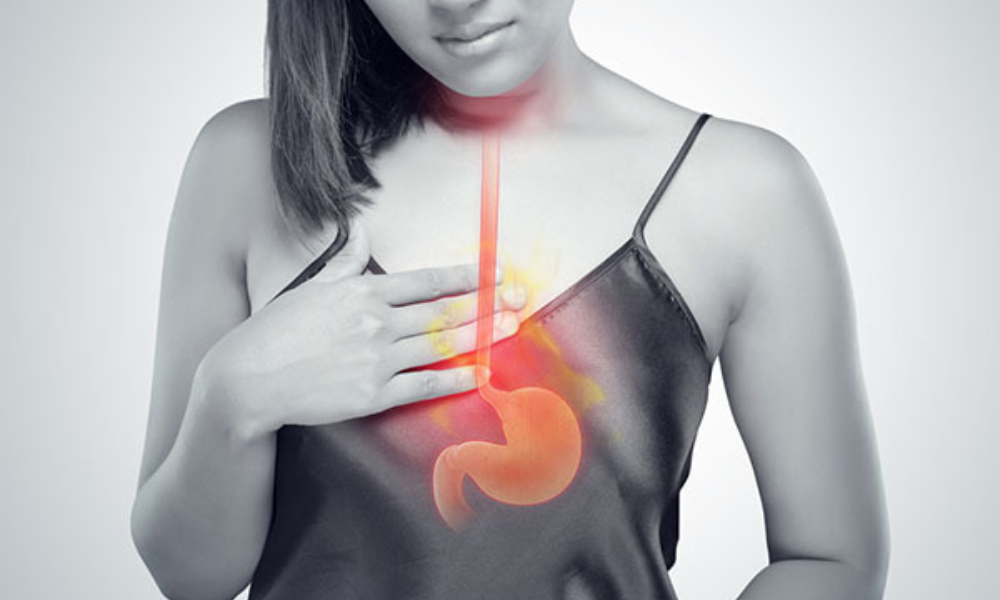
If you’ve ever felt a burning sensation creeping up your chest after a heavy meal, you’ve experienced acid reflux. For millions of people, though, this isn’t just an occasional post-holiday dinner inconvenience — it’s a regular disruption that affects sleep, eating habits, and quality of life. And yet, the way most people manage it, reaching for an antacid and moving on, often doesn’t address what’s actually happening.
Reflux vs. GERD: What’s the Difference?
Acid reflux refers to the backward flow of stomach acid into the esophagus, the tube connecting your mouth to your stomach. This happens when the lower esophageal sphincter (LES), a ring of muscle that acts as a valve between the stomach and esophagus, doesn’t close properly or relaxes at the wrong time.
When this happens occasionally, it’s just reflux. When it becomes frequent, typically defined as occurring two or more times per week, and starts causing symptoms like heartburn, regurgitation, chest discomfort, or a chronic cough, it’s classified as gastroesophageal reflux disease, or GERD.
GERD is more common than many people realize. According to information from <a href=”https://www.mayoclinic.org/diseases-conditions/gerd/symptoms-causes/syc-20361940″ target=”_blank” rel=”noopener”>Mayo Clinic</a>, GERD affects a significant portion of the population in Western countries and, when left unmanaged, can lead to complications including inflammation of the esophagus (esophagitis), narrowing of the esophagus, or a condition called Barrett’s esophagus, which is associated with an increased risk of esophageal cancer.
Why Antacids Are a Temporary Fix
Antacids work by neutralizing stomach acid, providing fairly quick relief from heartburn symptoms. For occasional use, they’re perfectly reasonable. The problem is that chronic GERD isn’t primarily a disease of too much acid, it’s a disease of acid going where it shouldn’t. The valve is the issue, not just the acid itself.
Taking antacids regularly can mask symptoms without addressing the underlying dysfunction, and long-term use of stronger acid-suppressing medications like proton pump inhibitors (PPIs) comes with its own considerations, including potential effects on magnesium levels, calcium absorption, and gut bacteria composition with extended use.
Common Triggers Most People Know (and a Few They Don’t)
The usual suspects for worsening reflux are fairly well known:
- Fatty or fried foods
- Tomato-based sauces
- Citrus fruits and juices
- Coffee and other caffeinated beverages
- Alcohol, especially wine and beer
- Chocolate
- Peppermint (counterintuitive, but it relaxes the LES)
What gets less attention are some of the behavioral and structural triggers:
- Eating large meals that put pressure on the LES
- Lying down too soon after eating (ideally waiting two to three hours before lying flat)
- Wearing tight clothing around the midsection
- Excess body weight, particularly around the abdomen, which can increase pressure on the stomach
- Smoking, which reduces LES tone and impairs the esophagus’s ability to clear acid
The Hiatal Hernia Factor
Many people with chronic GERD also have a condition called a hiatal hernia, where part of the stomach pushes up through the diaphragm into the chest cavity. This can make it structurally harder for the LES to do its job. Some hiatal hernias are small and cause minimal symptoms; others contribute significantly to reflux symptoms and may be identified through an endoscopy or imaging.
Not everyone with GERD has a hiatal hernia, and not everyone with a hiatal hernia has significant GERD, but it’s worth knowing about if you’re dealing with persistent reflux that doesn’t respond well to lifestyle changes.
Lifestyle Changes That Actually Help
Beyond avoiding specific trigger foods, a few structural changes tend to make a meaningful difference for many people with GERD:
Elevating the head of the bed: Raising the head end of your bed by several inches (using bed risers or a wedge pillow under the mattress, not just extra pillows under your head) can use gravity to help keep acid in the stomach during sleep.
Eating smaller, more frequent meals: Rather than three large meals, distributing food intake across smaller portions reduces pressure on the stomach and LES.
Leaving time between eating and lying down: Aim for at least two to three hours between your last meal and going to bed.
Weight management if applicable: For people who are overweight, even moderate weight loss has been shown to significantly reduce reflux symptoms in some individuals.
When to See a Doctor
Occasional heartburn is common and often manageable with the steps above. But certain situations call for a proper medical evaluation:
- Symptoms occurring multiple times per week
- Heartburn that doesn’t respond to over-the-counter remedies
- Difficulty swallowing or pain when swallowing
- Unexplained weight loss alongside reflux symptoms
- Symptoms that have changed in character or severity
- Any chest pain (which should always be evaluated to rule out cardiac causes)
A gastroenterologist can recommend appropriate testing, which might include an upper endoscopy, pH monitoring, or other assessments, to properly diagnose what’s going on and guide treatment decisions.
A Note on “Silent” Reflux
Not all reflux announces itself with obvious heartburn. Laryngopharyngeal reflux, sometimes called “silent reflux,” can cause symptoms like a chronic sore throat, hoarseness, a sensation of something stuck in the throat, chronic cough, or the need to constantly clear your throat, without necessarily producing the classic burning chest feeling. This can make it tricky to diagnose and is sometimes mistaken for allergies or post-nasal drip.
The Takeaway
GERD is genuinely common, manageable, and treatable — but it benefits from a real approach rather than just reaching for antacids indefinitely. Identifying your personal triggers, making structural changes to eating and sleeping habits, and working with a doctor to understand whether there’s an underlying anatomical factor involved tend to produce much better long-term results than symptom suppression alone.
This article is for general informational purposes only and is not a substitute for professional medical advice. If you are experiencing symptoms of GERD or acid reflux, please consult a qualified healthcare provider.
