
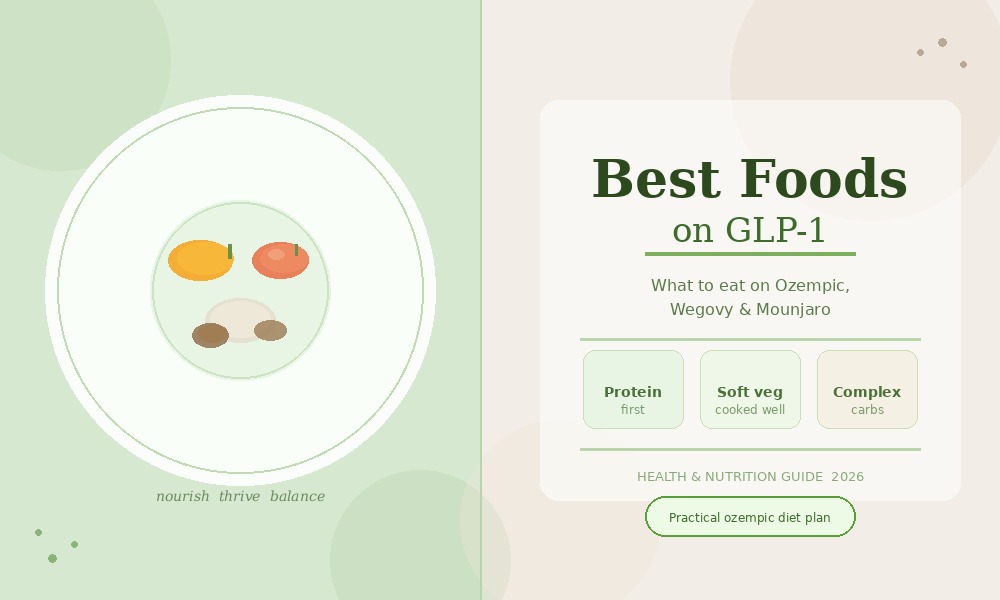
If you’ve recently started a GLP-1 medication — whether that’s Ozempic, Wegovy, or Mounjaro — you’ve probably noticed that what you eat matters more than it ever did before. Your appetite has shifted, your portions are smaller, and some foods you used to love now sit uncomfortably in your stomach.
That’s not a coincidence. GLP-1 receptor agonists slow gastric emptying significantly. And when food moves through your system more slowly, putting the wrong things in can amplify the already-known ozempic side effects like nausea, bloating, and fatigue.
The good news? When you eat with the medication rather than against it, results get noticeably better. This guide breaks down exactly what to eat, what to avoid, and how to structure a practical ozempic diet plan that works around your new appetite — not against it.
What Is a GLP-1 Medication, Actually?
GLP-1 stands for glucagon-like peptide-1, a hormone your gut naturally produces after eating. It signals your brain that you’re full, slows digestion, and helps regulate blood sugar. Injectable medications like semaglutide (sold as Ozempic and Wegovy) and tirzepatide (Mounjaro) mimic or amplify that signal.
The difference between brands comes down to mechanism. In the ongoing wegovy vs ozempic conversation, both contain semaglutide — but Wegovy is FDA-approved specifically for weight management at a higher dose, while Ozempic is primarily approved for type 2 diabetes. Mounjaro targets both GLP-1 and GIP receptors, which is part of why mounjaro results in clinical trials showed even greater average weight loss than semaglutide alone.
What they all have in common: food choices dramatically shape how well they work and how tolerable they feel.
Why Your Diet Changes Everything on GLP-1
Weight loss injections don’t do the work alone. They reduce hunger and slow digestion — creating a window. What you put into that window either supports fat loss and muscle retention, or quietly works against both.
Three things happen nutritionally when you’re on a GLP-1:
You eat significantly less. Most people report 30–50% reductions in calorie intake without trying. This sounds ideal until you realize that eating too little of the right nutrients leads to muscle loss, hair thinning, and fatigue — common complaints that often get misattributed to the medication itself.
Certain foods trigger nausea. High-fat meals, greasy foods, and alcohol slow gastric emptying even further — and on top of a drug that’s already doing that, the result is hours of discomfort.
Protein becomes critical. Because you’re eating less, every bite needs to pull more weight nutritionally. Protein preserves lean muscle during calorie restriction in a way that carbohydrates and fat simply don’t.
According to research published by the National Institutes of Health, adequate protein intake during calorie restriction significantly reduces muscle mass loss — a concern that’s especially relevant for people using GLP-1 for weight loss over extended periods.
The Best Foods to Eat on GLP-1
1. Lean Proteins — Your Most Important Macro
Protein should anchor every meal when you’re on a GLP-1. When your total food volume drops, protein is what keeps you from losing muscle alongside fat.
Good choices include:
- Chicken breast and turkey (easy to digest, high satiety)
- Eggs and egg whites (versatile, fast to prepare, gentle on the stomach)
- Greek yogurt (also provides probiotics and calcium)
- White fish like cod, tilapia, or halibut (low fat, easy on digestion)
- Tofu and edamame for plant-based eaters
- Cottage cheese (high protein, soft texture, well-tolerated)
Aim for 25–35 grams of protein per meal. If you’re not sure where you land, a protein intake calculator can give you a personalised target based on your weight and activity level. The general rule for people on GLP-1 is 1.2–1.6 grams per kilogram of body weight daily.
2. Non-Starchy Vegetables
Vegetables provide fiber, micronutrients, and volume without adding much caloric load — exactly what you want when your appetite is suppressed.
The best options for GLP-1 users are soft, well-cooked vegetables rather than raw, high-fiber ones (which can worsen bloating):
- Zucchini, cucumber, and cooked spinach
- Steamed broccoli and cauliflower (in moderate portions)
- Bell peppers, asparagus, and green beans
- Carrots (cooked rather than raw)
Raw kale, cabbage, and large salads tend to cause gas and bloating more frequently in people on GLP-1. Cook your vegetables more than you usually would — softer textures digest more easily.
3. Complex Carbohydrates in Small Portions
Carbohydrates haven’t earned their villain reputation here, but quantity and quality matter more than usual. High-glycaemic, refined carbs cause blood sugar spikes that GLP-1 medications are partly designed to prevent — so eating a lot of white bread or sugary foods undermines one of the drug’s core functions.
Better choices:
- Oats (slow-digesting, gentle, good for morning nausea management)
- Sweet potato in small amounts
- Quinoa (also a complete protein source)
- Brown rice, but keep portions small — half a cup cooked is usually enough
4. Healthy Fats in Moderation
Fat isn’t banned, but high-fat meals are where many GLP-1 users run into the worst nausea. The key is small amounts of unsaturated fats rather than heavy, greasy sources.
Avocado (a quarter to half), olive oil (a drizzle, not a pour), nuts and seeds in small handfuls, and fatty fish like salmon all provide beneficial fats without the heavy load that comes from fried foods or full-fat dairy.
5. Soft Fruits
Berries, bananas, melon, and peaches are generally well-tolerated. They provide natural sugar in moderate quantities, along with vitamins and antioxidants. Citrus fruits sometimes trigger reflux in GLP-1 users — if you notice that pattern, shift to lower-acid options.
Foods to Avoid on GLP-1
These categories consistently worsen side effects and slow progress:
Fried and greasy foods. Fried chicken, chips, fast food, and anything cooked in large amounts of oil sit in a slowed digestive system and almost guarantee nausea. Many people find these foods they never had trouble with before become genuinely unpleasant on a GLP-1 — that’s the medication doing its job.
Alcohol. Alcohol interacts with GLP-1 medications in complex ways, including increasing the risk of low blood sugar if you’re also managing diabetes. It also adds empty calories at a time when every calorie needs to count nutritionally. The Mayo Clinic advises discussing alcohol consumption with your prescribing doctor before continuing to drink on these medications.
High-sugar foods and drinks. Sodas, sweets, pastries, and juices cause blood sugar fluctuations that work against the medication’s glucose-regulating effects. They also tend to cause more pronounced nausea on a GLP-1 than on a normal diet.
Raw, high-fiber vegetables in large quantities. Cruciferous vegetables like raw broccoli, cauliflower, and Brussels sprouts are very healthy in normal circumstances — but the combination of high fiber and slowed gastric emptying on a GLP-1 can produce significant bloating and discomfort. Cook them well and keep portions manageable.
Large meals of anything. Even healthy food in too large a quantity will cause discomfort when your stomach is emptying slowly. Small, frequent meals — four to five times a day rather than two or three large ones — are better suited to how your digestion works on these medications.
A Sample Ozempic Diet Plan (One Day)
Here’s what a practical, realistic day of eating looks like on a GLP-1:
Morning (7–8am) Scrambled eggs (2–3) with a handful of spinach cooked in a little olive oil, plus half a cup of oats with blueberries. Coffee or tea is fine — some people find carbonated drinks worsen bloating, so swap sparkling water for still if needed.
Mid-morning snack (10–11am) Greek yogurt (plain, full-fat but small serving) with a few walnuts. This is about 15–20 grams of protein in a small volume.
Lunch (1pm) Grilled chicken breast (around 150g) over half a cup of cooked quinoa with roasted zucchini and bell peppers. A drizzle of olive oil and lemon for flavour.
Afternoon snack (4pm) Cottage cheese with a small amount of diced fruit, or a boiled egg with cucumber slices.
Dinner (6–7pm) Baked salmon (around 150–180g) with half a cup of sweet potato and steamed green beans. Keep the portion smaller than you might normally serve — you’ll likely feel satisfied with less.
The goal is to hit 80–100 grams of protein across the day while keeping total calories in a moderate deficit. You don’t need to count calories obsessively, but tracking for a week or two gives you a clear sense of where you land.
Managing Common GLP-1 Side Effects Through Food
Some of the most frequently reported ozempic side effects — nausea, constipation, and fatigue — can be meaningfully reduced through diet choices:
Nausea is worst in the first few weeks and usually peaks 1–3 days after an injection. Eating cold or room-temperature foods rather than hot ones, sticking to bland options on injection day, and never eating while lying down all help. Ginger tea has reasonable evidence for reducing nausea and is safe to use alongside these medications.
Constipation is common because slowed gastric emptying means slower transit throughout the gut. Staying well-hydrated (aim for 8–10 glasses of water daily), eating adequate fiber from well-tolerated sources, and light walking after meals all support regularity. Prune juice in small amounts is a gentle option if constipation becomes persistent.
Fatigue and muscle weakness are usually nutritional. If you’re consistently eating fewer than 800–900 calories a day — which is easy to do when your appetite is heavily suppressed — you’re almost certainly not getting enough protein. Prioritising protein at every meal and considering a protein supplement on days when appetite is very low can make a real difference.
According to Healthline’s clinical review team, pairing GLP-1 medications with a structured nutrition plan improves both weight loss outcomes and tolerability of side effects — a finding that aligns with what most prescribing physicians report anecdotally.
GLP-1 for Weight Loss: What Realistic Results Look Like
The clinical evidence is strong. Wegovy trials showed an average weight loss of around 15% of body weight over 68 weeks. Mounjaro results from the SURMOUNT trials showed even greater losses — up to 22% in some groups. Ozempic, while primarily a diabetes drug, consistently produces 10–15% weight loss when used off-label for weight management.
But the people in those trials were also eating structured diets. The medication creates the conditions for weight loss; food choices determine the quality of that loss — whether you’re losing fat and maintaining muscle, or losing both indiscriminately.
The best outcomes consistently come from people who treat the reduced appetite as an opportunity to eat better rather than just less.
Final Thoughts
A GLP-1 medication is a powerful tool, but it works best when your diet supports it. The core principles are straightforward: prioritise protein at every meal, choose foods your slowed digestion can handle comfortably, avoid the high-fat and high-sugar foods that worsen side effects, and keep portions small and frequent.
You don’t need a complicated plan. You need a consistent one.
If you’re unsure where to start with structuring your diet around your specific medication or health goals, working with a registered dietitian who has experience with GLP-1 patients is worth considering — especially in the first few months when side effects are most prominent and nutrition needs are highest.
References: NIH — Dietary Protein and Muscle Mass | Mayo Clinic — GLP-1 Medications | Healthline — Ozempic Diet Guide | Verywell Health — Wegovy vs Ozempic
