

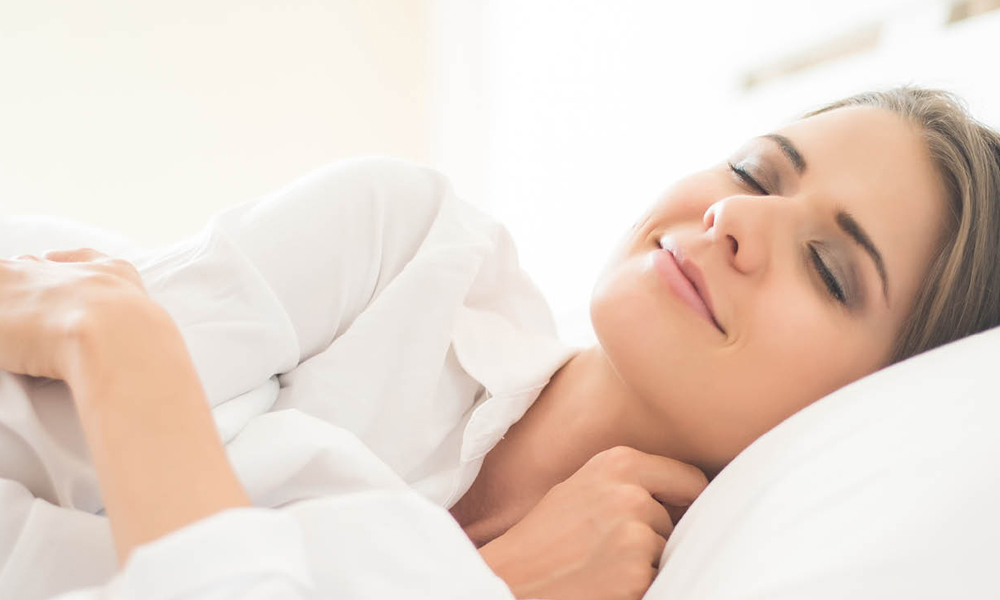
For years, sleep was treated as the thing that happened after everything else was done. Work first, social life second, screen time third, and whatever hours were left got handed over to sleep. That mindset has shifted pretty dramatically, and now sleep is being talked about as one of the most important things you can do for your health, right up there with diet and exercise.
Why the Sudden Shift?
A lot of it comes down to data. Wearable devices made it possible for ordinary people to actually see what was happening during their sleep, deep sleep percentages, how often they woke up, how long it took to fall asleep, and so on. Once people could see the numbers, it became a lot harder to ignore.
Industry trend analysis from <a href=”https://meetglimpse.com/trends/health-wellness-trends/” target=”_blank” rel=”noopener”>Glimpse</a> has noted that sleep optimization has quietly become one of the most mainstream health upgrades in recent years, with people increasingly connecting the dots between everyday habits, like that evening glass of wine or afternoon coffee, and how well they actually sleep.
The Sleep Products Boom
Walk into any wellness store (or scroll through your social media ads) and you’ll see no shortage of sleep-focused products: temperature-regulating sheets and pajamas, weighted blankets, “sleep sounds” apps, blue-light-blocking glasses, and even satin pillowcases and bonnets marketed specifically for better rest.
Some of these products have genuine science behind them. Temperature regulation, for instance, does play a real role in sleep quality, our core body temperature naturally drops as we fall asleep, and sleeping in an environment that’s too warm can interfere with that process. Other products fall more into the “nice to have” category, helpful for some people, but not exactly essential.
What Actually Moves the Needle
If you’re trying to improve your sleep without spending a fortune on gadgets, here’s what tends to make the biggest difference based on widely supported sleep research:
Consistency Over Everything
Going to bed and waking up at roughly the same time every day, including weekends, helps regulate your circadian rhythm more than almost anything else. It sounds boring, but it’s genuinely one of the most effective things you can do.
Light Exposure
Getting natural light exposure in the morning helps set your internal clock for the day, which in turn helps you feel sleepy at the right time at night. Conversely, bright light (especially blue light from screens) in the evening can delay the release of melatonin, the hormone that signals it’s time to sleep.
Temperature
A cool bedroom, generally somewhere in the range most people find slightly cooler than they’d expect, supports the natural drop in body temperature that helps initiate sleep.
Caffeine and Alcohol Timing
Caffeine has a longer half-life than most people realize, which means that afternoon coffee can still be affecting your sleep hours later. Alcohol, despite often making people feel sleepy initially, tends to disrupt sleep architecture later in the night, reducing the amount of restorative deep sleep.
When Sleep Tracking Becomes a Problem
Here’s something that doesn’t get discussed enough: for some people, sleep tracking devices can actually make sleep worse. There’s even a term for it in some sleep medicine circles, “orthosomnia,” referring to an unhealthy preoccupation with achieving perfect sleep scores.
If checking your sleep score has become a source of anxiety, or if you find yourself unable to relax because you’re worried about how a bad night will look on your app, it might be worth taking a break from tracking altogether for a while.
What About Sleep Aids and Supplements?
Melatonin is probably the most commonly used over-the-counter sleep aid, and while it can be helpful for things like jet lag or shifting sleep schedules, it’s not necessarily a fix for chronic insomnia, and timing and dosage matter more than most people realize. Other supplements like magnesium or herbal teas may have mild relaxing effects for some people, but the evidence is generally less robust than for behavioral changes like the ones mentioned above.
If sleep issues are persistent, lasting weeks or months and significantly affecting daily life, that’s generally a sign it’s worth talking to a doctor rather than relying solely on supplements or gadgets, since underlying issues like sleep apnea or anxiety disorders are common and treatable.
The Bottom Line
Better sleep doesn’t usually come from a single product or hack, it tends to come from a handful of consistent habits stacked together: regular sleep and wake times, smart light exposure, a cool and comfortable room, and mindful timing of caffeine and alcohol. The gadgets and gear can help around the edges, but they work best as support for good habits, not a replacement for them.
This article is for informational purposes only and is not a substitute for professional medical or psychological advice. If you’re experiencing ongoing sleep difficulties, consult a healthcare provider.
