

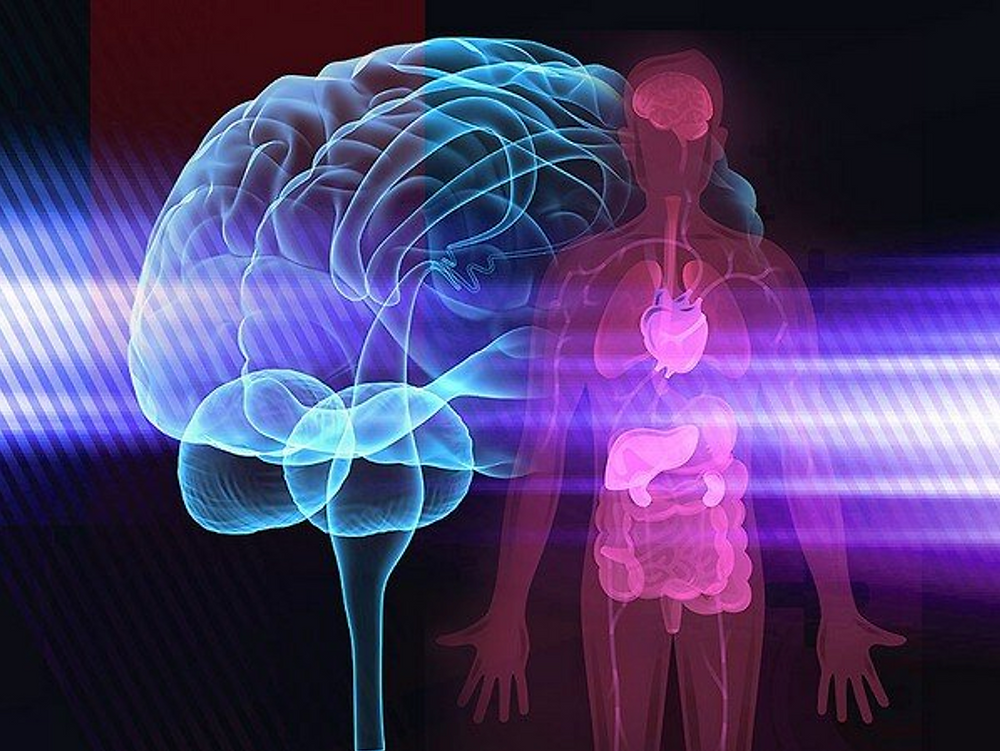
If you’ve ever felt your heart race before a big presentation, your stomach drop before bad news, or a tight chest during a stressful week, you’ve experienced firsthand just how connected the mind and body really are. Anxiety, despite often being dismissed as “just stress” or something to push through, has very real physical effects, and understanding that connection can actually make it easier to manage.
Why Anxiety Feels So Physical
When your brain perceives a threat, real or not, it triggers what’s commonly known as the fight-or-flight response. This involves a cascade of hormones, including adrenaline and cortisol, that prepare your body to either confront danger or run from it. Heart rate increases, breathing becomes shallower and faster, muscles tense up, and digestion slows down.
The problem is that this system evolved for short-term physical threats, like escaping a predator, not for sitting in traffic, dealing with a difficult email, or lying awake worrying about tomorrow’s to-do list. When this stress response gets triggered repeatedly without a clear resolution, it can start to feel like a constant background hum of tension.
Mental Health Searches Are at an All-Time High
It’s not your imagination if it feels like everyone is talking about mental health more than ever. According to analysis of global search trends covered by <a href=”https://www.thetechedvocate.org/what-are-the-most-searched-health-questions-around-the-world-discover-the-trends/” target=”_blank” rel=”noopener”>The Tech Edvocate</a>, mental health topics, including anxiety, depression, and stress relief methods, dominate health-related searches in North America, while Europe shows a similar strong focus on mental health alongside chronic disease concerns.
This shift reflects something real: more people are recognizing that mental health struggles aren’t a personal failing, they’re common, often biologically driven, and treatable.
The Gut-Brain Connection You’ve Probably Heard About
One of the more fascinating areas of research in recent years has been the relationship between gut health and mental health, sometimes called the gut-brain axis. Your digestive system and brain are in constant communication via the vagus nerve, and a significant portion of your body’s serotonin, a neurotransmitter associated with mood regulation, is actually produced in the gut.
This doesn’t mean that fixing your diet will cure anxiety on its own, mental health is complex and multifactorial, but it does help explain why some people notice mood improvements when they address digestive issues, and why chronic stress can sometimes manifest as stomach problems.
Practical Tools That Actually Help
There’s no shortage of advice out there for managing anxiety, but a few approaches consistently show up in research as genuinely effective:
Breathing Techniques
Slow, deep breathing, particularly techniques that emphasize a longer exhale than inhale, can activate the parasympathetic nervous system, essentially telling your body it’s safe to relax. This isn’t just a feel-good idea; it has measurable effects on heart rate variability.
Movement
Exercise, even something as simple as a brisk 20-minute walk, has been shown to reduce anxiety symptoms in numerous studies. The mechanisms aren’t fully understood, but they likely involve a combination of stress hormone regulation, endorphin release, and simply giving your mind a break from rumination.
Cognitive Behavioral Techniques
Cognitive behavioral therapy (CBT) is one of the most well-researched approaches for anxiety, and many of its core techniques, like identifying and challenging catastrophic thinking patterns, can be learned and practiced even outside of formal therapy sessions through workbooks or apps, though working with a trained therapist is generally more effective for moderate to severe anxiety.
Limiting Stimulants
Caffeine can amplify physical anxiety symptoms like a racing heart or jitteriness, especially in people who are already prone to anxiety. This doesn’t mean everyone needs to give up coffee entirely, but being mindful of timing and amount can help, particularly during high-stress periods.
When to Seek Professional Support
It’s worth being clear about this: lifestyle changes can genuinely help manage everyday stress and mild anxiety, but they’re not a replacement for professional treatment when anxiety becomes severe, persistent, or starts interfering significantly with daily life, work, or relationships.
Therapy, and in some cases medication, can be incredibly effective, and there’s nothing wrong with needing that level of support. Mental health professionals can also help rule out or address other contributing factors, like thyroid issues or sleep disorders, that can mimic or worsen anxiety symptoms.
Final Thoughts
Anxiety is real, it’s physical, and it’s incredibly common, more common than most people realize, given how often it’s suffered in silence. Understanding the mind-body connection isn’t about explaining away anxiety as “just physical” or dismissing it as “just mental.” It’s about recognizing that the two are deeply intertwined, and that addressing one often helps the other.
This article is for general informational purposes only and does not constitute medical or psychological advice. If you are struggling with anxiety or other mental health concerns, please reach out to a licensed mental health professional.